
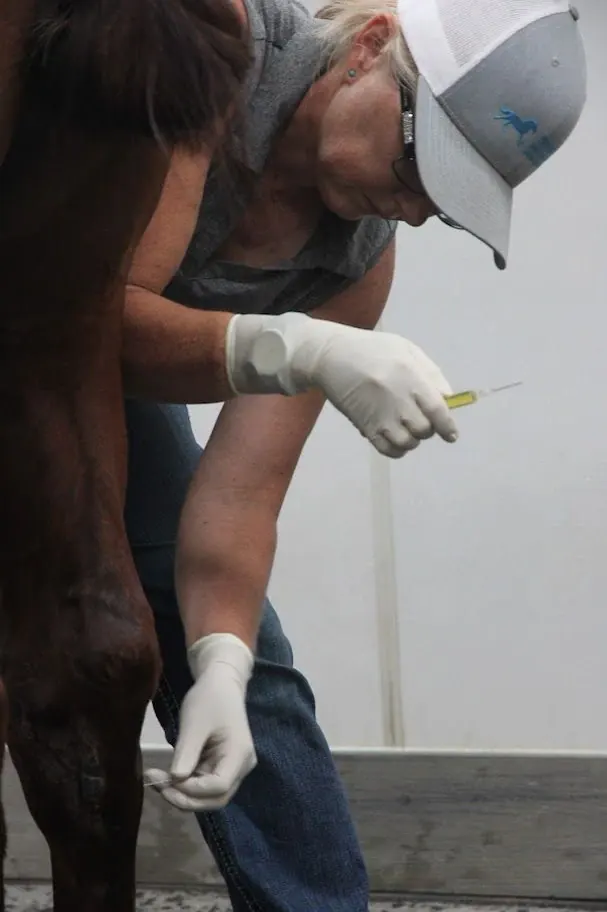
Lameness is one of the most common problems horse owners face, and the cause isn't always where it looks like it is.
A good workup takes several steps. The goal is always the same: a diagnosis, a prognosis and a treatment plan you understand.
What happens at a lameness exam
- History
When it started, what changed and what your horse's job is.
- Exam and gait
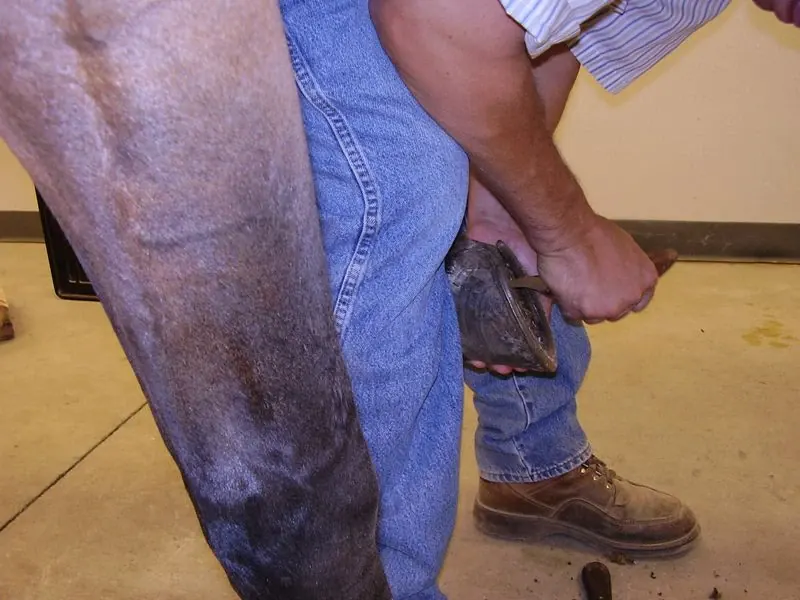
A hands-on exam of the limbs, then we watch your horse move in hand.
- Flexions and blocks
Flexion tests and nerve or joint blocks narrow down where the pain is.
- Imaging
Digital X-ray and ultrasound show what's going on in that area.
Without a diagnosis, surgery is trauma, medicine is poison, and alternative treatments are witchcraft.
An old saying worth remembering
Treatment options
- Injury treatment
Strains and sprains, tendon and ligament damage and fractures, with a targeted plan to get back to work.
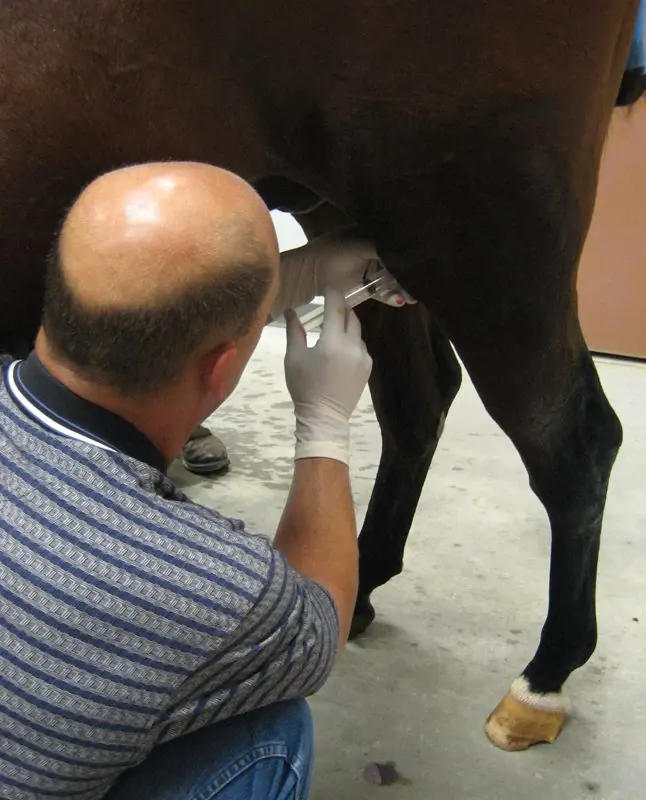
- Joint and soft tissue injections
Corticosteroid and hyaluronic acid injections to calm inflammation and improve movement.
- Regenerative medicine
Shockwave, stem cell therapy and platelet-rich plasma (PRP) to speed healing in damaged tissue.
- Chronic pain management
Ongoing care for arthritis and tendonitis, including chiropractic and acupuncture.
Depending on the injury, we may recommend Pro-Stride APS, Alpha2EQ, Pro-Vet PRP, Regenaflex RT, StrydaFlex, Renovo, Arthramid Vet or Noltrex.